
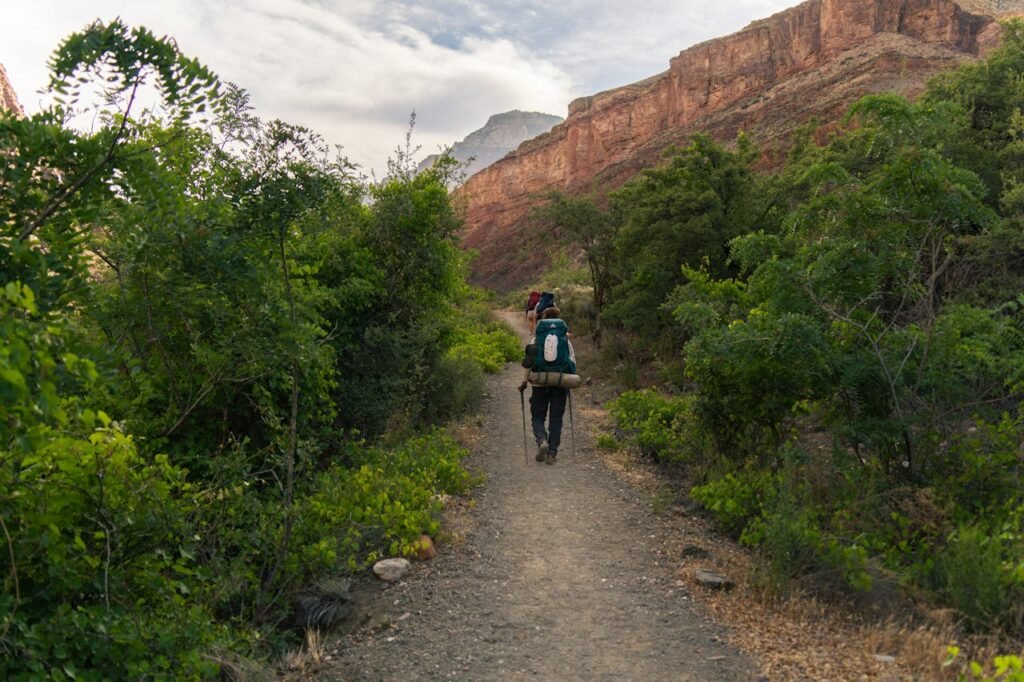
Hiking in Morocco’s Atlas Mountains is one of those experiences that stays with you long after you’ve flown home. The air is crisp, villages cling to steep hillsides, and snow‑capped peaks rise above terraced fields and walnut trees. For beginners, the High Atlas near Marrakech and Imlil offers the perfect introduction: beautiful, accessible trails that feel wild but not overwhelming.
This guide will walk you through easy routes, what to pack, how to choose a responsible local guide and mule service, and how to follow Leave No Trace so your adventure is as kind to the mountains as it is memorable for you.
Why Start in Imlil?
Imlil is the main trailhead village for the Toubkal region, about 90 minutes’ drive south of Marrakech. Sitting at around 1,700 meters, it’s surrounded by three valleys and traditional Berber villages, making it an ideal base for gentle day hikes and short treks.
For first‑time hikers in Morocco, Imlil offers:
- A range of easy to moderate trails on well‑used paths.
- Plenty of local guides, guesthouses, and mule services.
- A chance to experience village life without needing advanced hiking skills.
Best Beginner Trails in the High Atlas
These routes keep things simple but still give you big mountain views and a taste of Berber culture.
1. Imlil to Aroumd & Back (Half‑Day)
Difficulty: Easy
Time: 2–3 hours round‑trip
This gentle walk takes you from Imlil up to the village of Aroumd (also written Aroumd or Aroumd), crossing a broad river valley and passing terraced fields.
- Why it’s good for beginners:
- Wide, clear paths with gradual climbs.
- Plenty of places to rest and take photos.
- Easy to do with or without a guide (though a guide adds cultural context).
- Highlights:
- Traditional stone houses and mule trains passing by.
- Views of snow‑topped peaks on clear days.
- Tea stops in family‑run guesthouses.
2. Imlil to Tizi n’Tamatert Pass (Day Hike)
Difficulty: Easy–moderate
Time: 4–6 hours round‑trip
The Tizi n’Tamatert pass is one of the classic beginner hikes in the region. The path climbs steadily above Imlil, passing small villages and terraced fields before reaching a pass with sweeping views over the Imnan and Aït Mizane valleys.
- Why it’s good for beginners:
- Well‑trodden trail used regularly by hikers and locals.
- A clear destination (the pass) without needing technical skills.
- Easy to turn back earlier if you get tired.
- Highlights:
- Panoramic views at the pass, especially in the morning or late afternoon.
- Quiet villages where you can stop for tea or a simple lunch.
- A good introduction to hiking at altitude without summiting a peak.
3. Village Loop Walks from Imlil (Custom Half‑ or Full‑Days)
Local guides often offer loop walks linking Imlil with nearby villages such as Ait Souka, Tamatert, or Sidi Chamharouch (on the lower section of the Toubkal trail).
- Why they’re great:
- Flexible distance and difficulty.
- Lots of cultural interaction: markets, family homes, village life.
- Perfect if you want more “walking and learning” than “serious hiking.”
When to Go: Best Seasons for Beginners
The High Atlas has strong seasons, and choosing the right time makes your hike safer and more enjoyable.
- Best months for beginners:
- Spring (April–May): Green valleys, mild temperatures, snow still on higher peaks.
- Autumn (September–October): Clear skies, comfortable days, cooler nights.
- More challenging periods:
If you’re new to hiking, spring and autumn offer the gentlest conditions.
What to Pack for Hiking in the Atlas Mountains
Weather in the mountains can change quickly, so think in layers and comfort.
Clothing
Aim for light, breathable layers you can add or remove throughout the day.
- Base layer:
- Moisture‑wicking T‑shirt or long‑sleeve top.
- Mid‑layer:
- Outer layer:
- Bottoms:
- Accessories:
Footwear
Your shoes will make or break the hike.
- Hiking boots or sturdy trail shoes:
- Comfortable camp shoes or sandals:
- Socks:
- Good hiking socks to reduce blisters (bring 2–3 pairs).
Daypack Essentials
Use a small, comfortable daypack (15–25L) with a chest strap and hip belt.
Pack:
- Water:
- At least 1.5–2 liters per person for a half‑day, 2–3 liters for a full day.
- Snacks:
- Nuts, dried fruit, dates, energy bars, or local bread and cheese.
- Sun protection:
- Sunscreen, sunglasses, hat.
- Navigation & safety:
- Offline map app or paper map (even with a guide, it’s useful).
- Small first‑aid kit (plasters, blister patches, pain relief).
- Extras:
- Tissues or toilet paper (pack out everything).
- Hand sanitizer.
- Reusable bag for any trash.
In colder seasons, add extra warm layers, plus possibly microspikes or warm gloves if you’re going higher with a guide.
How to Choose a Responsible Local Guide
A good guide does far more than just show you the way. They help you stay safe, understand local culture, and support the community directly.
Why Hire a Guide as a Beginner?
- Knows safe routes and weather patterns in the High Atlas.
- Helps you pace yourself and adjust plans if you get tired.
- Bridges language and cultural gaps with local families and guesthouses.
- Reduces the risk of getting lost on lesser‑marked paths.
What to Look For
- Local experience
- Recommendations & reviews
- Safety awareness
- Respectful behavior
- They should treat local people, animals, and the environment with care.
- They should not encourage shortcuts off established trails or leave litter.
How to Book
- Through your guesthouse in Imlil (many work long‑term with trusted guides).
- Via local agencies specializing in Atlas treks.
- Avoid guides who push for overly ambitious routes if you’ve clearly said you’re a beginner.
Choosing a Responsible Mule Service
On some hikes, especially longer or steeper ones, you may use a mule to carry luggage, food, or equipment.
Why This Matters
Mules are hardworking animals and deserve kind, respectful treatment. Choosing a responsible mule service helps protect their welfare and supports ethical tourism.
What to Look For
- Good animal condition:
- The mule should look well‑fed, with no open wounds or obvious sores.
- Proper equipment:
- Padded saddles and harnesses that don’t rub or cut.
- Realistic loads:
- The mule should not be overloaded. Ask how much they carry and check it looks reasonable.
- Rest and water:
- The handler should stop to let the mule rest, drink, and eat.
If something doesn’t feel right, discuss it politely or ask your guesthouse to help you find another provider.
Leave No Trace: Hiking Kindly in the High Atlas
The High Atlas is beautiful but fragile. Following Leave No Trace principles helps keep the mountains clean and healthy for future hikers and local communities.
1. Plan Ahead and Prepare
- Choose routes that match your fitness and experience.
- Check weather forecasts and seasonal conditions.
- Bring proper clothing, water, and navigation so you don’t have to rely on emergency help.
2. Travel on Durable Surfaces
- Stick to established trails, especially in popular areas like Imlil and Tizi n’Tamatert.
- Walk single file in the middle of the path, even if it’s muddy, to avoid widening trails.
3. Dispose of Waste Properly
- Pack out all trash — including tissues, snack wrappers, and food scraps.
- Use toilets when available. If you must go outdoors, follow local guidance and stay away from water sources.
4. Leave What You Find
- Don’t pick flowers, take rocks, or remove cultural items.
- Leave stones, structures, and plants as you found them.
5. Minimize Campfire Impact
- For day hikes, avoid fires entirely.
- On guided overnight treks, follow your guide’s instructions and avoid creating new fire rings.
6. Respect Wildlife and Livestock
- Observe animals from a distance.
- Don’t feed wildlife or livestock — it can harm them and disrupt local farming.
7. Be Considerate of Other Visitors and Locals
- Keep voices low, especially near villages and on narrow paths.
- Step aside for mules and local people carrying loads.
- Ask before photographing people, including children.
Staying Safe on the Trail
Even easy hikes are still mountain walks, so a bit of caution goes a long way.
- Start early:
- Avoid strong midday sun and give yourself plenty of daylight.
- Pace yourself:
- Take regular breaks, especially if you’re not used to altitude.
- Stay hydrated and snack often:
- Drink small amounts regularly and eat light snacks to keep your energy up.
- Watch the weather:
- If clouds build, wind picks up, or you feel unsure, talk to your guide about turning back.
Final Thoughts: A Gentle First Step into the Atlas
The Atlas Mountains don’t ask you to be a hardcore mountaineer. They simply ask you to walk with respect — for the land, for the people who call it home, and for your own limits.
Starting with gentle trails around Imlil, packing thoughtfully, choosing responsible guides and mule services, and following Leave No Trace principles, you can enjoy a safe, meaningful introduction to this beautiful part of Morocco.
Take it slow. Look up often. Listen to the wind in the valleys and the sound of your footsteps on the path. This is what hiking in the Atlas is really about.